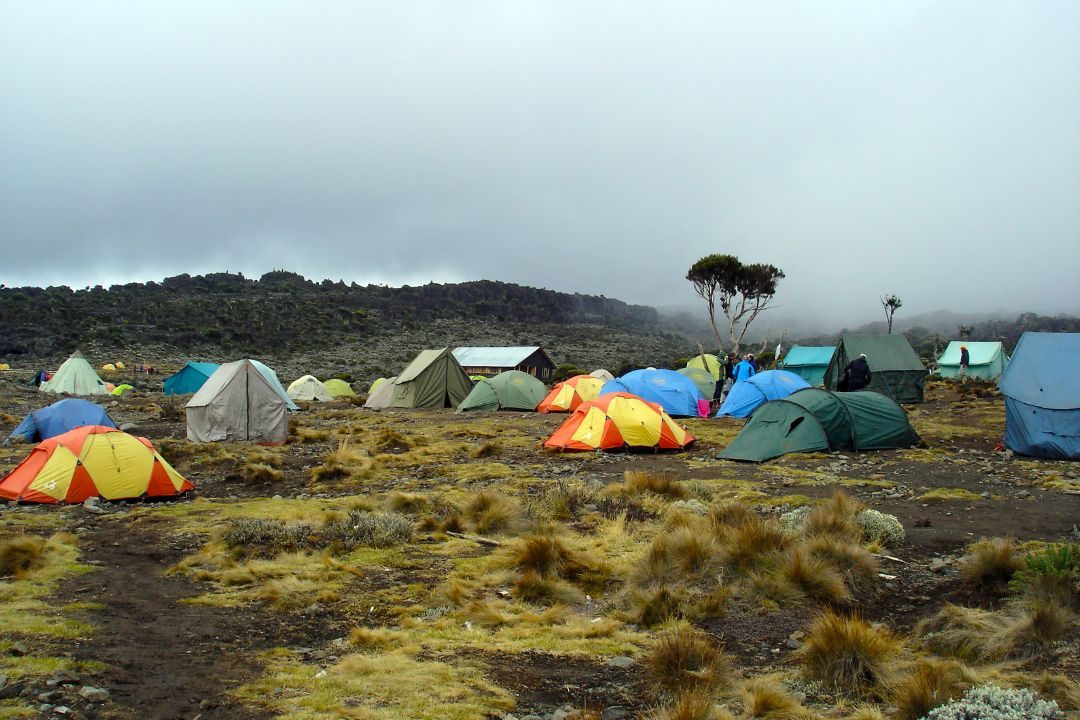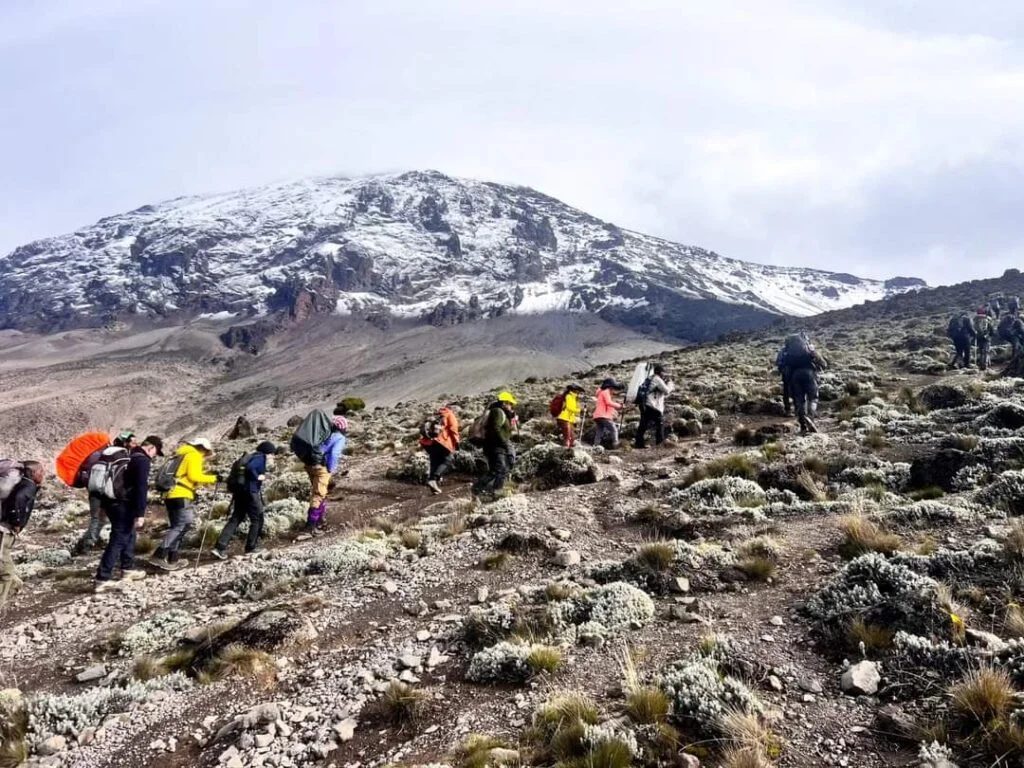
Kilimanjaro & Meru
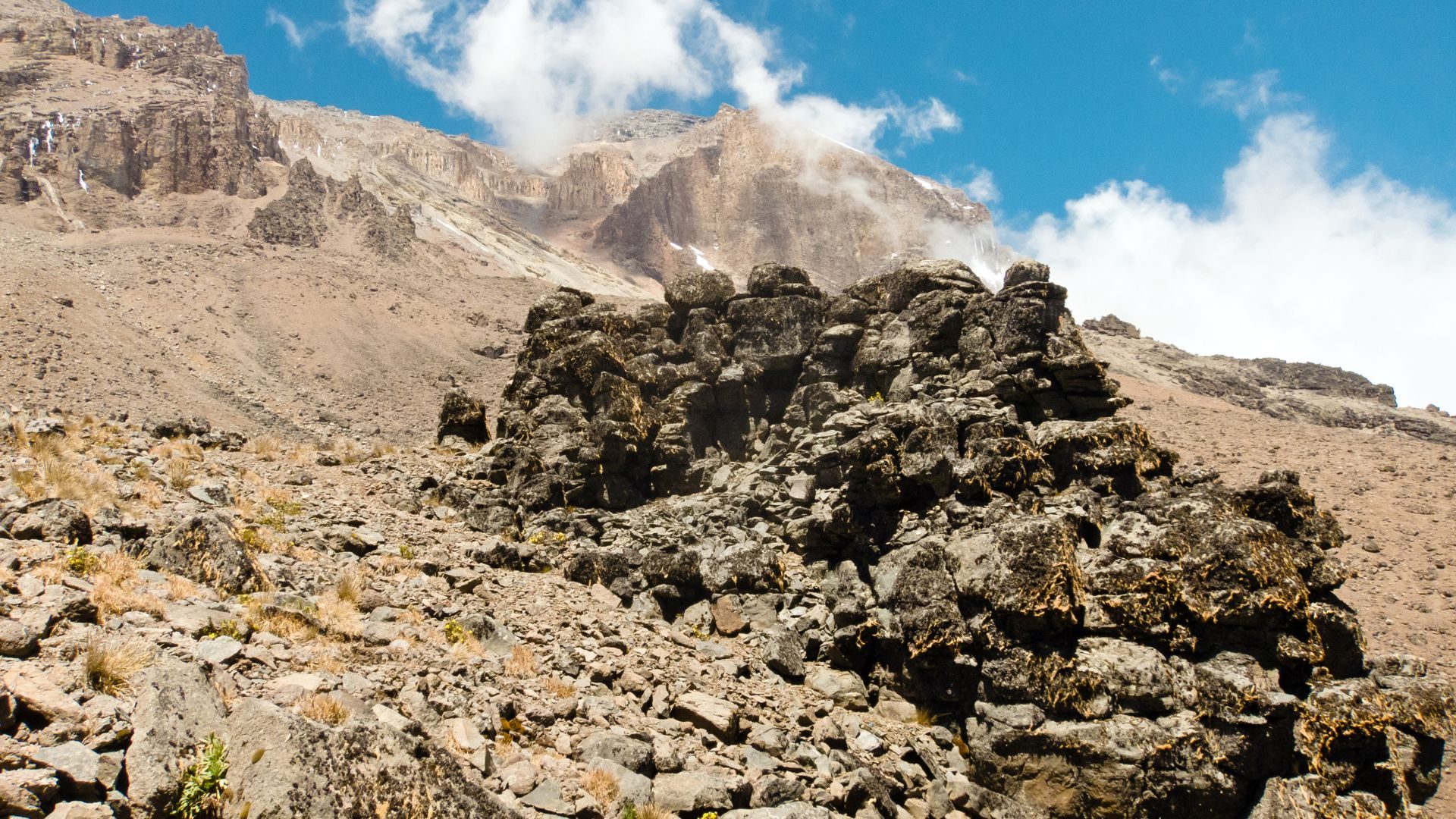
7 Days Kilimanjaro Climb – Machame Route
The "Whiskey" route — Kilimanjaro's most scenic favourite.
Price On request
View trip

Kilimanjaro Region
The Roof of Africa — 5,895 m and five climate zones from forest to glacier.
Mount Kilimanjaro National Park is home to Africa’s highest peak, Mount Kilimanjaro, standing at 5,895 meters (19,341 ft) above sea level. Located in northeastern Tanzania near Moshi and Arusha, the park is a UNESCO World Heritage Site and one of the continent’s most iconic trekking destinations. Kilimanjaro’s towering snow-capped summit rises above savannahs, montane forests, and alpine deserts, creating a dramatic landscape that attracts adventure seekers from around the globe.
The park offers a unique combination of mountain trekking, wildlife encounters, and stunning scenery, making it a must-visit destination for both hikers and nature lovers. Its trails pass through rainforests, moorlands, and alpine deserts, providing an immersive journey through multiple ecosystems. Kilimanjaro is not only a physical challenge but also a visual and cultural experience, offering breathtaking views over the plains of Tanzania and Kenya.
While Kilimanjaro is primarily known for trekking, the park also supports a variety of wildlife along its lower slopes. The Montane forests are home to Colobus monkeys, blue monkeys, bushbucks, and duikers, as well as a wide array of bird species such as turacos, hornbills, and sunbirds. Elephants, buffaloes, and leopards can occasionally be spotted on the lower forested slopes.
As hikers ascend, the ecosystem changes, and wildlife sightings become less common above the moorland zone. However, the flora diversity, from giant lobelias and groundsel plants to alpine mosses, provides a living example of adaptation in extreme conditions. Observing wildlife in combination with the park’s dramatic landscapes enhances the trekking experience.
The dry seasons are the best times to climb Kilimanjaro:
The wet seasons (April–May and November) bring heavy rainfall, making trails slippery and challenging. Summit attempts during these periods are possible but less comfortable. The mountain’s microclimates can vary greatly, so proper preparation and guidance are essential for a successful climb.
The main activity in Kilimanjaro National Park is mountain trekking, with several routes available, including Marangu, Machame, Rongai, Lemosho, Shira, and Umbwe, each offering unique scenery and difficulty levels. Trekking provides the opportunity to experience diverse habitats, from tropical rainforest to alpine desert, culminating in the iconic summit, Uhuru Peak.
Other activities include photography, birdwatching, and nature walks on the lower slopes. The park also offers cultural experiences in nearby villages, where visitors can learn about the Chagga people, their agricultural traditions, and their symbiotic relationship with the mountain. Many trekkers also combine their climb with safaris to nearby northern circuit parks for a complete Tanzanian adventure.
With Kiwonu Africa Safaris, climbing Kilimanjaro is safe, organized, and unforgettable. Our experienced guides provide expert support, local knowledge, and personalized advice throughout your trek. We offer reliable logistics, comfortable accommodations on the routes, and high-quality trekking equipment. From choosing the right route to summit strategies, we ensure that your Kilimanjaro experience combines adventure, safety, and breathtaking views, making it a once-in-a-lifetime journey to Africa’s rooftop. Our Top Mount Kilimanjaro Deals
Our top trips
Kilimanjaro & Meru
The "Whiskey" route — Kilimanjaro's most scenic favourite.
Kilimanjaro & Meru
The quiet western approach with the best acclimatisation.
Day Trips
A rainforest waterfall and a Chagga coffee ceremony.
Day Trips
Swim in crystal-clear, naturally warm spring water.
Kilimanjaro & Meru
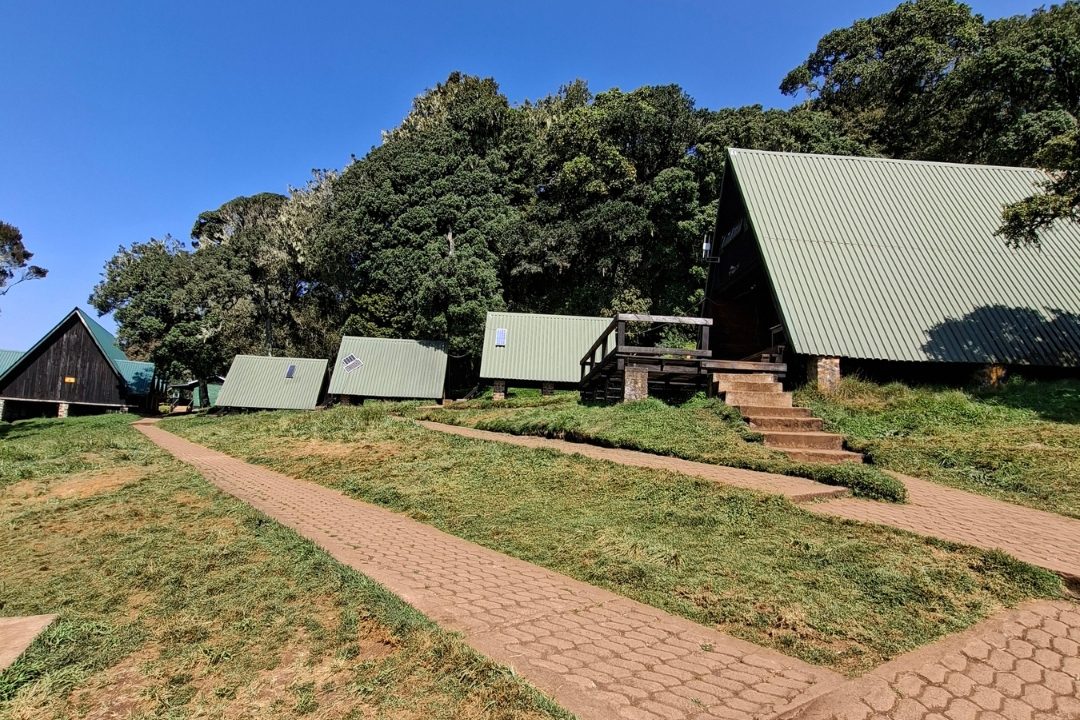
The "Coca-Cola" route — hut accommodation and a steady ascent.
Kilimanjaro & Meru
Steep, direct and dramatic — for fit, experienced trekkers.
Keep exploring
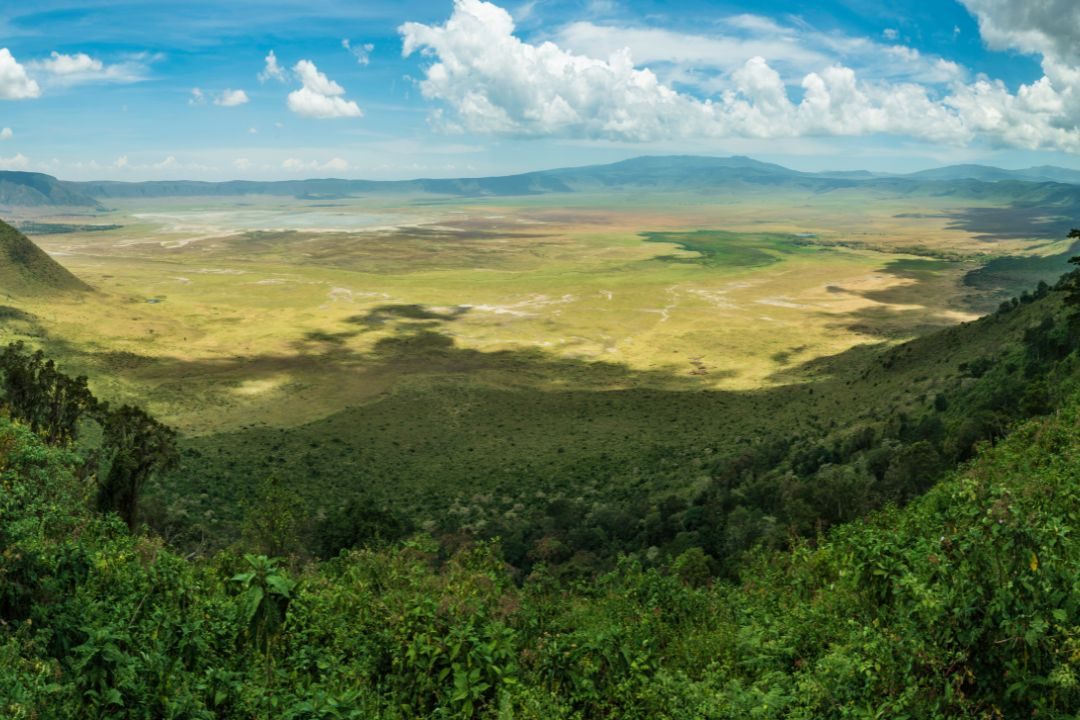 Northern CircuitNgorongoro Crater
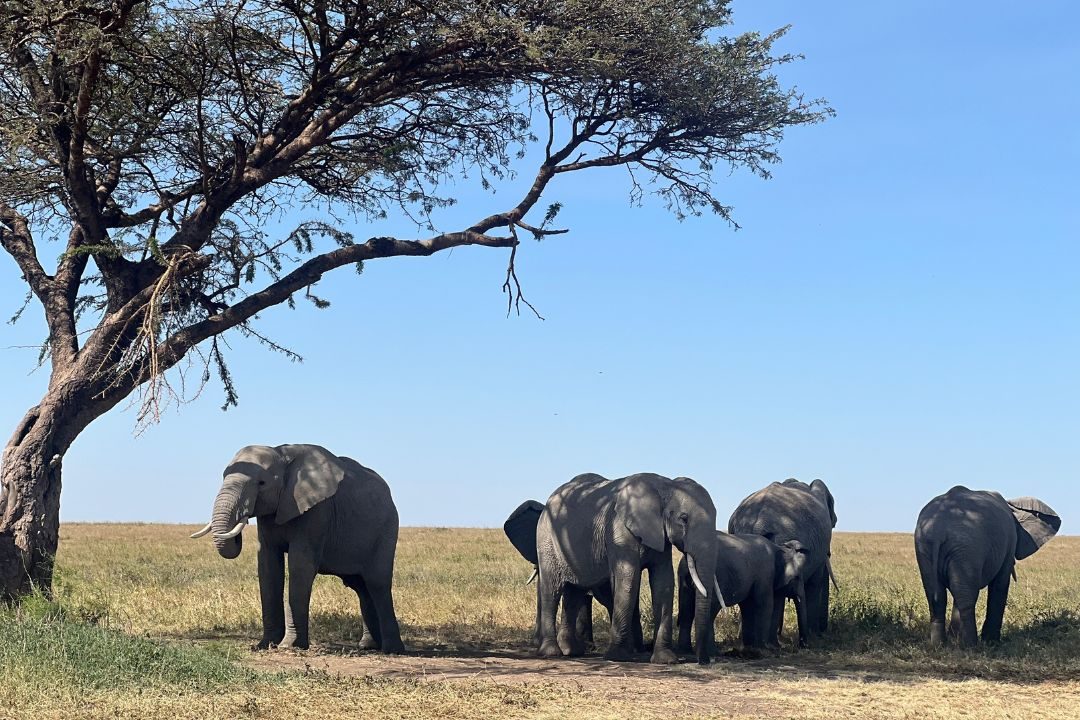 Northern CircuitTarangire National Park
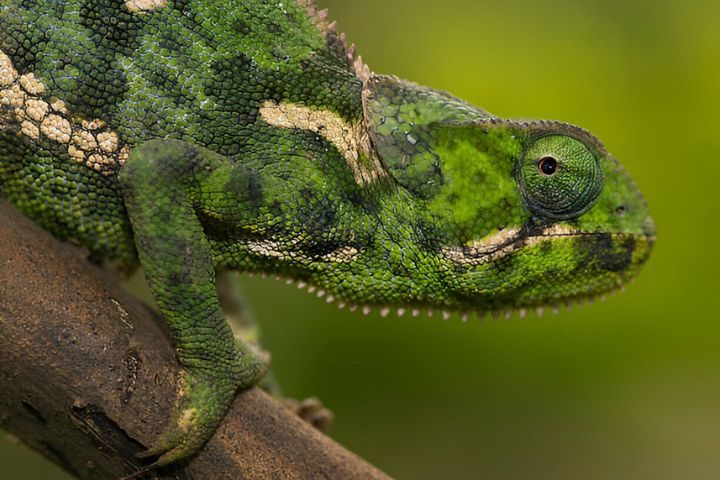 Northern CircuitLake Manyara National Park
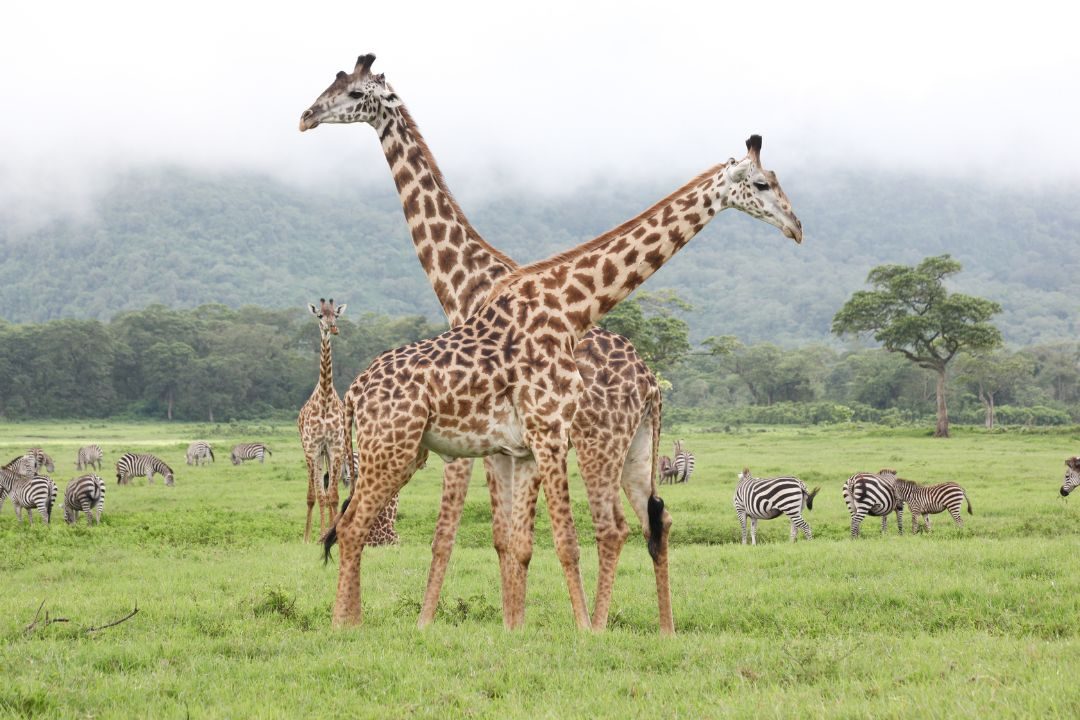 Northern CircuitArusha National Park
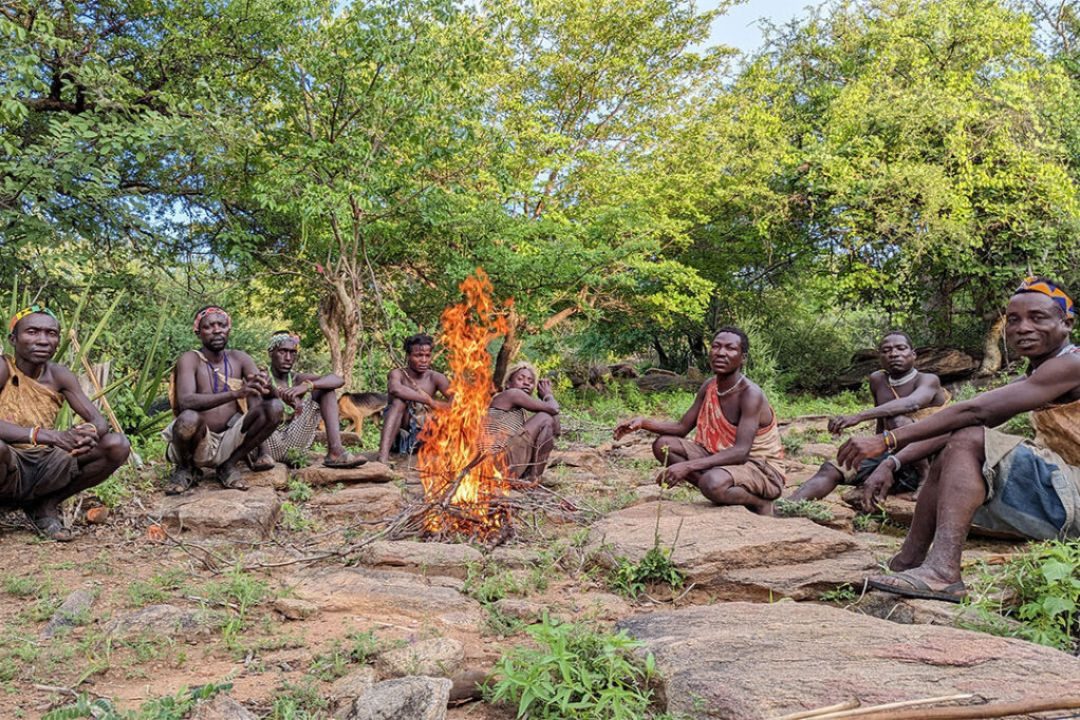 Northern CircuitLake Eyasi
Northern TanzaniaLake Natron
Northern TanzaniaMkomazi National Park
Arusha National ParkMount Meru
Indian OceanZanzibar Islands
Tailor-made, from Arusha
Tell us your dates and dreams — you will have a free, day-by-day proposal within 24 hours.